Work Sampling in Maintenance
Estimate maintenance time distribution and distinguish direct work, support, waiting and service outcomes.
Updated:
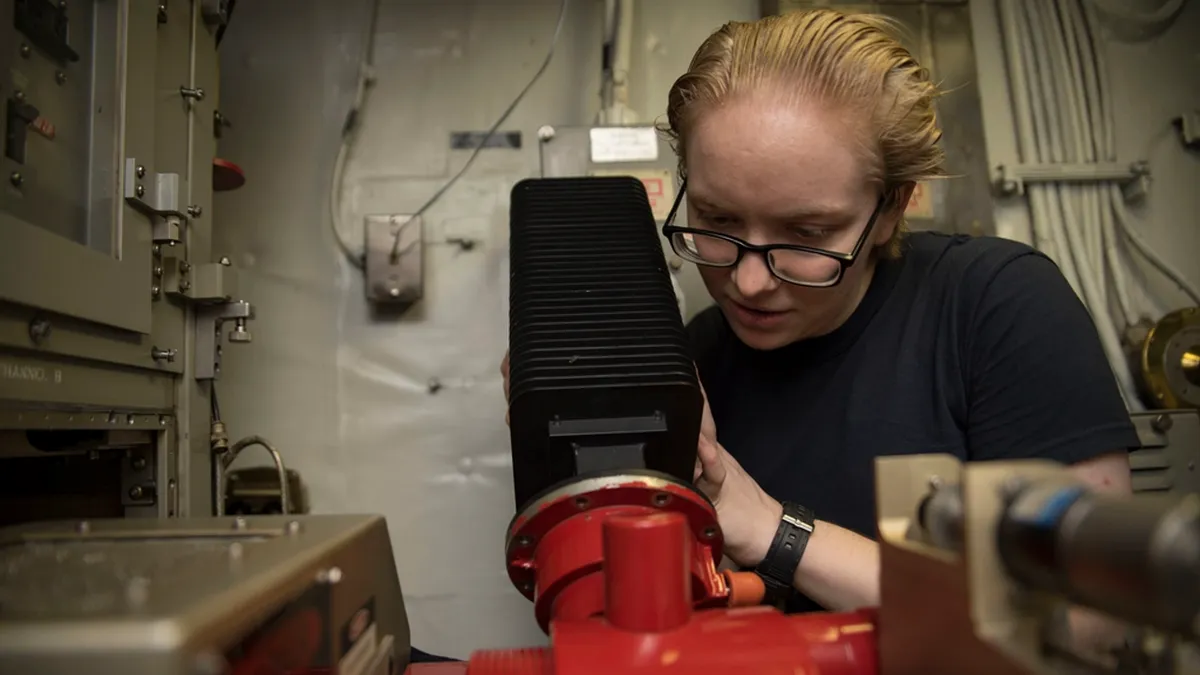
Work sampling in maintenance
A maintenance study can estimate the observed distribution of direct intervention, travel, permits, diagnosis, preparation, waiting, and breaks. Define what “wrench time” includes: holding a tool, adding value, and performing the job correctly are not universally equivalent.
Do not automatically classify permits, planning, or breaks as waste. Some are required for safety, coordination, or recovery. A low direct-intervention share raises organizational questions; it does not establish a technician's lack of competence.
Design the coverage
Define the workforce, assets, shifts, and period. Separate corrective maintenance, preventive work, and projects where conditions differ. A daytime-only study does not automatically represent night call-outs.
Set rules for simultaneous states. When someone reads documentation while waiting for a permit, decide whether activity and waiting cause belong in separate fields. Test agreement between observers and document uncertainty without inventing causes.
Planning example
For expected proportion p=0.40, two-sided 95% confidence, and absolute margin e=0.05:
n = ceiling(1.96² × 0.40 × 0.60 / 0.05²) = 369.
This is an approximate calculation for an independent-observation model, not a guarantee of representativeness. The margin is five percentage points, not 5% relative error. NIST describes sample planning for proportions.
Spread readings according to the study scope, then check coverage, pending records, and classification. Choosing 95% is not a universal industrial obligation and does not remove bias.
What the results contribute
Calculate each category's proportion with its denominator and an appropriate interval. Report relevant strata separately and use target labor-time weights when combining them. Simultaneous observations within a team can be correlated.
Frequent waiting for parts suggests investigating availability, preparation, and approval. It does not establish which cause dominates. Compare the finding with work orders and process interviews before changing supply.
What snapshots cannot establish
The share of equipment observations showing a stopped state does not itself provide failure count, MTTR, or MTBF. Those metrics require event records and repair or operating times with defined boundaries. Collecting more than 400 readings does not supply missing event data.
Nor does observing technicians provide all OEE factors. OEE requires planned and run time, ideal cycle time, and total and good output counts. Sensors are not mandatory: valid manual records can supply those quantities, with sampling as a complement.
Turn a finding into a test
Choose a specific intervention, owner, and review criterion. Compare compatible conditions, including failure mix and workload. A better activity proportion does not itself establish saved hours, staffing reductions, or cash savings.